
Writing
Curriculum Intent
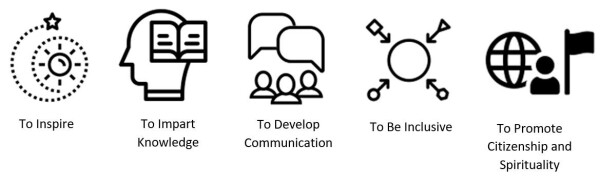
Inspire children to enjoy writing, feel creative, and see themselves as authors.
Impart knowledge so pupils can write confidently across a range of genres using key features and structures.
Develop communication by enabling children to write for different audiences and purposes, using appropriate tone and language.
Be inclusive, ensuring all pupils access the curriculum through scaffolding, pre-teaching, and flexible approaches.
Promote citizenship and spirituality by encouraging writing on meaningful topics, fostering creativity, and providing opportunities to share work with wider audiences
Curriculum Implementation
EYFS
In EYFS, we have a strong focus on the foundations of writing including handwriting and spelling. children follow the Read Write Inc. (RWI) phonics programme, which supports the development of letter formation alongside phonics learning. They work towards the objectives outlined in the Development Matters guidance for nursery and reception, ensuring clear progression in writing from entry, with the ultimate goal of achieving the Early Learning Goals. Children receive direct teaching in writing sessions and have independent access to a range of writing materials within the EYFS environment.
Reception teachers use The Drawing Club approach to immerse children in the joy of storytelling and story writing. This approach enriches children’s language, develops their fine motor skills, and fosters a love of literature. It provides opportunities for children to express their creativity and imagination while building confidence in sharing their ideas through stories.
Year 1
Children continue to focus on the foundations of writing including handwriting, spelling and sentence construction. We use the RWI scheme at the beginning of Year 1 but as the year progresses the children transition towards the writing structure used in Year 2.
Year 2 - 6
Writing is taught through a structured approach inspired by Jane Considine’s “Write Stuff”, focusing on modelling, gradual release, and chunking techniques.
The process includes four stages:
Stage 1 – Reading and understanding the genre
Stage 2 – Writing as a writer (modelled and shared writing)
Stage 3 – Writing as a reader (editing and improving)
Stage 4 – Independent writing
Lessons emphasise oracy, vocabulary development, and explicit grammar teaching.
Curriculum Impact
Pupil voice shows children are confident, enjoy writing, and can articulate their learning using subject-specific vocabulary.
End-of-unit and independent writes demonstrate progression and engagement with age-appropriate expectations.
High-quality writing in books reflects strong implementation and impact.
Termly and end-of-year data, alongside moderation, confirm that pupils meet or exceed national standards, with the curriculum fostering creativity, resilience, and effective communication.