
Reading
Curriculum Intention
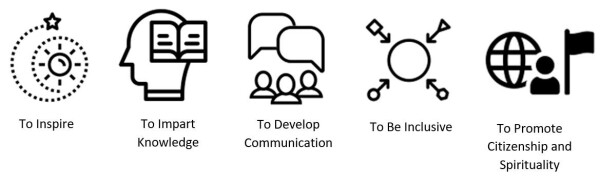
Inspire a genuine love of reading, motivating children to enjoy stories and aspire to read increasingly challenging texts.
Impart knowledge so pupils become fluent readers who can confidently comprehend themes, plots, and vocabulary.
Develop communication by providing opportunities to read aloud for different purposes and audiences, and to understand how authors communicate through text.
Be inclusive, ensuring all children access a wide range of narrative, non-fiction, and poetry texts.
Promote citizenship and spirituality by encouraging discussion, reflection, and engagement with diverse cultures and themes.
Curriculum Implementation
Phonics
At St Cecilia’s, we place a strong emphasis on developing children’s reading skills, recognising that a solid foundation in literacy is essential from the moment they enter Nursery/Reception. To ensure every child gets off to a great start, we use the highly regarded Read Write Inc. (RWI) program.
RWI sessions take place daily in the mornings, with children grouped into smaller sessions to ensure learning is tailored to each child’s individual needs. Children who need extra support receive immediate, targeted assistance through 1:1 intervention with a highly trained adult for an additional 10 minutes each day.
Each child is provided with a personalised reading book linked to the RWI scheme which is carefully selected to match the phonics phase they are currently working on.
In Key Stage 2, children also benefit from RWI sessions, with interventions planned and regularly monitored every 6-8 weeks to track progress and ensure continued support.
Whole Class Reading
Once children have completed the phonics scheme and are secure with phonological sounds, the teaching of reading progresses to Whole Class Reading (WCR). This involves dedicated class reading time with a carefully selected text that not only helps children develop reading fluency but also offers rich themes and opportunities to enhance comprehension and language skills. We prioritise fluency and vocabulary strategies as they help students focus on understanding the content rather than struggling with individual words.
- Monday – Teacher-led reading and fluency modelling
- Tuesday – Vocabulary focus
- Wednesday – Reciprocal reading in groups
- Thursday – Modelled/shared comprehension
- Friday – Independent comprehension tasks
Texts are carefully selected for challenge, diversity, and curriculum links, supported by Accelerated Reader for individual reading.
Individual Readers
At St Cecilia’s, we use Accelerated Reader as our individual reading scheme. Each child is assessed and given a book rating (ZPD) based on their ability and then given a reading book that matches this level.
Curriculum Impact
Pupil voice shows children enjoy reading and can confidently discuss books using subject-specific vocabulary.
Work demonstrates age-appropriate progression, with opportunities for greater depth and high-quality outcomes.
Assessment includes ongoing AFL strategies, fluency checks, and termly summative assessments (phonics checks, SATs, NFER, Accelerated Reader).
The curriculum fosters fluency, comprehension, and a lifelong love of reading, preparing pupils for success across the curriculum and beyond.